
Plants
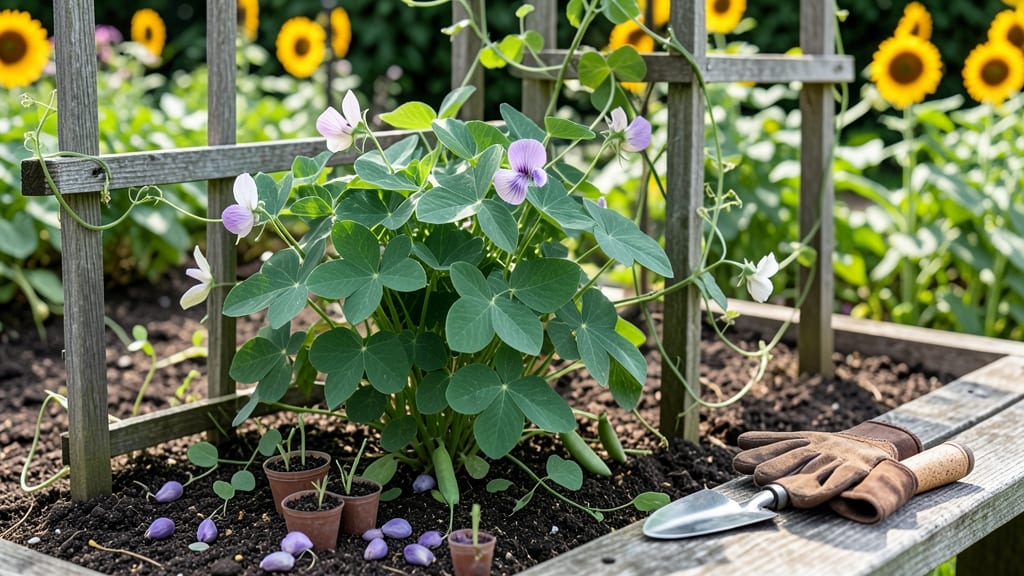
To plant purple hull peas in Louisiana, aim for mid-February to early April or early September to mid-October — timing that avoids the brutal summer heat while maximizing those sweet, buttery pods.
Louisiana’s long, hot summers demand the right planting window for purple hull peas 🌱 — get it wrong, and you’ll miss the harvest entirely. These Southern staples need cooler soil and air to thrive, which means beating the heat by 6-8 weeks before it peaks.
Most gardeners in zones 8a-9b focus on spring planting, but fall offers a second chance for a late-season harvest. The key is matching your planting date to the last frost (usually mid-March) and ensuring a 90-day grow-out before summer’s relentless sun.
Below, I’ll break down the exact dates for North, Central, and South Louisiana, plus how to adjust for heat, humidity, and pests — because once those vines take off, they need all the support you can give.
Best planting windows for purple hull peas in Louisiana’s climate zones
Louisiana’s unique climate—hot, humid summers and mild winters—creates perfect conditions for growing purple hull peas, but timing is everything. These heat-tolerant legumes thrive in 90-day growing windows, but planting too early risks frost damage, while late planting means missing the sweetest pods.
The key is aligning your planting schedule with Louisiana’s three distinct climate zones: North, Central, and South.
In North Louisiana (USDA Zones 7b-8a), cooler temperatures and later last frosts mean you’ll need to adjust your schedule compared to the warmer southern regions. Meanwhile, Central Louisiana (Zone 8a) offers a balanced window, while South Louisiana (Zone 8b-9a) allows for extended growing seasons.
Let’s break down the optimal planting windows for each zone to ensure you maximize your harvest.
Soil temperature is critical for purple hull pea germination. Seeds won’t sprout well in cold soil—aim for 60°F or warmer. In Louisiana, this typically aligns with mid-February to early April for spring plantings and early September to mid-October for fall harvests.
However, regional microclimates can shift these windows by 2-3 weeks, so always check local frost dates.
| Region | Spring Planting Window | Soil Temp Threshold | Last Frost Date | Harvest Window |
|---|---|---|---|---|
| North Louisiana (Zones 7b-8a) | Mid-March to Early April | 60°F+ | Mid-April | Late June to Early July |
| Central Louisiana (Zone 8a) | Late February to Mid-March | 60°F+ | Early April | Late May to June |
| South Louisiana (Zones 8b-9a) | Early February to Early March | 60°F+ | Late March | Mid-May to Late June |
| Fall Planting (All Regions) | Early September to Mid-October | 70°F+ (soil) | Mid-November (first frost) | October to Early November |
For North Louisiana, the mid-March to early April window is ideal because cooler nights and slower soil warming mean you can’t plant as early as in the South. Wait until the soil reaches 60°F—use a soil thermometer to check.
In Central Louisiana, you can start as early as late February, but be prepared to protect seedlings if an unexpected frost hits. The South’s earlier start date (early February) lets you beat the heat and enjoy harvests before summer’s peak intensity.
Fall plantings in Louisiana are often overlooked, but they’re a game-changer. Aim for early September to mid-October to ensure your peas mature before the first frost (mid-November). The key here is soil temperature: seeds need 70°F+ soil to germinate reliably.
In the South, you might even squeeze in a second fall planting by mid-September, but monitor weather forecasts closely.
Microclimates within each zone can shift planting windows by 1-2 weeks. For example, areas near large bodies of water (like Lake Pontchartrain) may experience cooler nights, delaying planting by 7-10 days.
Conversely, urban heat islands in cities like Baton Rouge or New Orleans can warm soil faster, allowing earlier plantings. Always scout your specific location for 3-5 years of frost data to refine your schedule.
Pro tip: Use black plastic mulch to warm soil faster in early spring or shade cloth in summer to protect young plants from Louisiana’s intense sun. These tricks can extend your planting window by 10-14 days in either direction.
Pair this with succession planting every 2 weeks to ensure a continuous supply of sweet pods from late spring to early fall.
Remember, purple hull peas are sensitive to heat stress beyond 90°F. If you’re planting in South Louisiana’s Zone 9a, focus on fall plantings or provide afternoon shade during peak summer months.
With the right timing, you’ll enjoy buttery, flavorful pods that are a true taste of the South—without the risk of bolting or poor yields.
Start with your zone’s recommended window, but don’t hesitate to experiment with shade strategies or mulching to push your limits. The goal is a 90-day harvest window, so every day counts in Louisiana’s unpredictable climate. Happy planting! 🌱
How to adjust planting for Louisiana’s extreme heat and humidity
Louisiana’s summer heat and high humidity can stress purple hull peas, but with the right adjustments, you can still grow lush vines and sweet pods. The key is timing, shade, and water management—especially during those 90°F+ afternoons.
These peas thrive in warmer weather, but they need protection from heat stress and fungal diseases that flourish in damp conditions. Let’s break down how to keep your plants happy and productive.
First, avoid planting during peak summer months (June-August). Instead, focus on early spring (March-April) or late summer (August-September) when temperatures are slightly cooler. If you must plant in summer, use shade cloth or partial shade to reduce stress.
Even a 30% shade reduction can make a big difference during the hottest afternoons. Also, choose heat-tolerant varieties like ‘Purple Hull’ or ‘Mississippi Silver’—they’re bred to handle Louisiana’s climate better than standard types.
⚠️ Heat Stress Warning
Purple hull peas show heat stress when leaves curl, yellow, or wilting occurs by midday. This often happens when soil temps exceed 90°F or humidity drops below 50%. If you see these signs, act fast: move plants to shade, mulch heavily (3-4 inches of straw), and water deeply at dawn to cool roots. Without intervention, vines may stop producing pods or die back within days.
Irrigation schedules are critical in Louisiana’s heat. Water deeply in the morning (before 9 AM) to give roots time to absorb moisture before the sun peaks. Aim for 1-1.5 inches per week, but increase to 2 inches during heatwaves. Avoid overhead watering in the evening—this traps humidity and invites powdery mildew or leaf spot. Instead, use drip irrigation or soaker hoses to deliver water directly to the soil. Mulching with straw or pine needles helps retain moisture and keeps roots cool.
Companion planting is another smart strategy. Pair your purple hull peas with okra, sweet potatoes, or corn to create a living shade canopy while improving soil health. Okra, in particular, thrives in heat and can reduce wind stress on pea vines. Avoid planting near tomatoes or peppers, though—they compete for nutrients and can spread diseases like early blight. Instead, interplant with basil or marigolds to deter pests like bean beetles and aphids naturally.
If your plants already show heat damage, don’t give up—recovery is possible. Prune back any wilting or yellowed vines to redirect energy to healthier growth. Apply a balanced fertilizer (5-10-10) lightly to boost recovery, but avoid heavy nitrogen—it encourages leafy growth over pods.
Instead, focus on potassium-rich amendments like wood ash or banana peels to strengthen heat tolerance. With proper care, vines often rebound within 2-3 weeks, especially if temperatures drop slightly at night.
For extended summer growing, consider succession planting every 2-3 weeks in late summer (August-September). This ensures a continuous harvest before the first frost. Use container gardening for smaller spaces—5-gallon pots with well-draining soil work well, and you can move them to shadier spots during heatwaves.
Just remember: pots dry out faster, so monitor soil moisture closely. With these adjustments, you can enjoy sweet purple hull peas well into Louisiana’s fall season! 🌱