
Plants
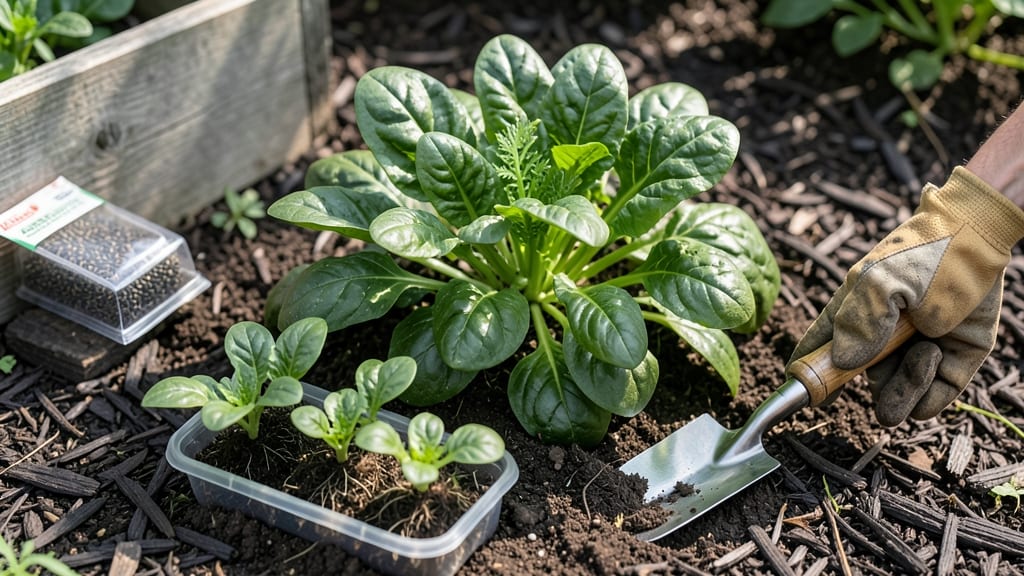
To plant spinach in Zone 8 without it bolting too soon, aim for early fall or late winter — the key is cooler soil temperatures and shorter daylight.
Struggling to grow crisp, flavorful spinach in Zone 8 without it bolting too soon? Timing is everything—plant too early or late, and you’ll lose your harvest to heat stress or bitter leaves.
Zone 8’s mild winters and warm springs make spinach tricky, but the secret is fall planting when days grow shorter and nights stay cool. This is when most gardeners in Zone 8 get their best harvests.
Here’s how to pinpoint the perfect window, adjust for heat waves, and keep your spinach 🌱 sweet and tender all season long.
Optimal planting windows for spinach in Zone 8 to avoid bolting
Zone 8 gardeners know the struggle—spinach planted at the wrong time bolts faster than a jackrabbit in summer heat. The key to crisp, sweet spinach lies in understanding your local frost dates and soil temperature thresholds.
Unlike cooler zones, Zone 8’s mild winters and long growing season demand precise timing to avoid heat stress or premature flowering.
Spinach thrives in cool soil temperatures (40°F–75°F), but when daytime temps hit 75°F+, it bolts within weeks. In Zone 8, this means fall and early spring are your golden windows—just don’t wait too late in spring or you’ll risk bolting before harvest.
Coastal areas may have earlier planting dates than inland zones due to moderating ocean breezes.
To calculate your exact planting window, check your average last frost date (Feb–March) and first frost date (Nov–Dec). Plant spinach 4–6 weeks before last frost for a spring crop, or 60–90 days before first frost for fall harvests. Use your local USDA Plant Hardiness Zone Map for precise dates.
| Planting Window | Ideal Soil Temp | Days to Harvest | Bolting Risk | Extension Tip |
|---|---|---|---|---|
| Early Spring (Feb–March) | 40°F–55°F | 45–55 days | Low (cool nights) | Use row covers for warmth |
| Late Spring (April) | 55°F–65°F | 35–45 days | Moderate (watch heat waves) | Plant shade-tolerant varieties |
| Fall (Aug–Sept) | 50°F–60°F | 40–50 days | Low (cool evenings) | Use row covers at night |
| Late Fall (Oct) | 45°F–55°F | 30–40 days | Very Low (cool nights) | Protect from early frosts |
For spring planting, aim for February–March in most of Zone 8. Start seeds indoors 4–6 weeks before last frost to get a jump on the season. If direct-sowing, wait until soil reaches 40°F+—use a soil thermometer to check.
In coastal Zone 8a, you can push planting to early April, but inland areas should stop by mid-April to avoid bolting.
Fall planting offers longer harvest windows in Zone 8. Seed directly in August–September for a cool-season harvest before winter.
Late fall plantings (October) work too—just protect seedlings with row covers if frost threatens. Heat-tolerant varieties like 'Tyee' or 'Space' can handle slightly warmer soils, but avoid planting after July unless you’re using shade cloth.
Extend your spinach season with row
How to adjust spinach planting for Zone 8’s heat waves and late springs
Zone 8’s unpredictable heat waves and delayed springs make growing spinach a challenge—but with the right adjustments, you can still enjoy a crisp, bolting-free harvest. The key lies in strategic timing, heat-tolerant varieties, and smart shade management.
Unlike cooler zones, Zone 8 gardeners must work with shorter cool seasons, so planning ahead is essential.
First, focus on late fall and early spring plantings to avoid the brutal summer heat. Spinach thrives when daytime temperatures stay below 75°F (24°C), so aim for September-October or February-March plantings. If your spring arrives late, don’t panic—there are still ways to extend your growing window.
🌱 5 Critical Adjustments for Zone 8 Spinach Success
- 1. Use shade cloth (30-50%) to block intense afternoon sun during heat waves. Install it by midday and remove in cooler evenings.
- 2. Plant heat-tolerant varieties like 'Tyee' or 'Bloomsdale Long Standing', which handle warmer soils better than traditional types.
- 3. Implement succession planting every 2-3 weeks from September to March to stagger harvests and avoid bolting.
- 4. Mulch heavily with straw or grass clippings to keep soil temps 10°F cooler and retain moisture during dry spells.
- 5. Water deeply in mornings to prevent stress—spinach wilts easily in heat, triggering bolting. Aim for 1-2 inches per week.
For late spring plantings, start seeds indoors 6-8 weeks before your last frost date (usually mid-March in Zone 8). Harden off seedlings for 10-14 days before transplanting in partial shade.
If temperatures rise above 80°F (27°C), switch to container growing on a patio where you can move pots to shade.
Don’t overlook soil preparation—amend beds with compost and aged manure to improve moisture retention. Spinach in Zone 8 also benefits from light row covers during heat waves, which can lower temps by 5-10°F while still allowing light through. Remove covers when temps drop below 70°F (21°C) to prevent overheating.
If you miss the ideal window, try winter spinach varieties like 'Winter Bloomsdale', which tolerate light frosts and grow well in cool-season microclimates. Plant these in November for a spring harvest before summer heat sets in.
With these adjustments, you’ll beat Zone 8’s heat waves and enjoy sweet, tender spinach all season long—no bolting required! 🌿