
Plants
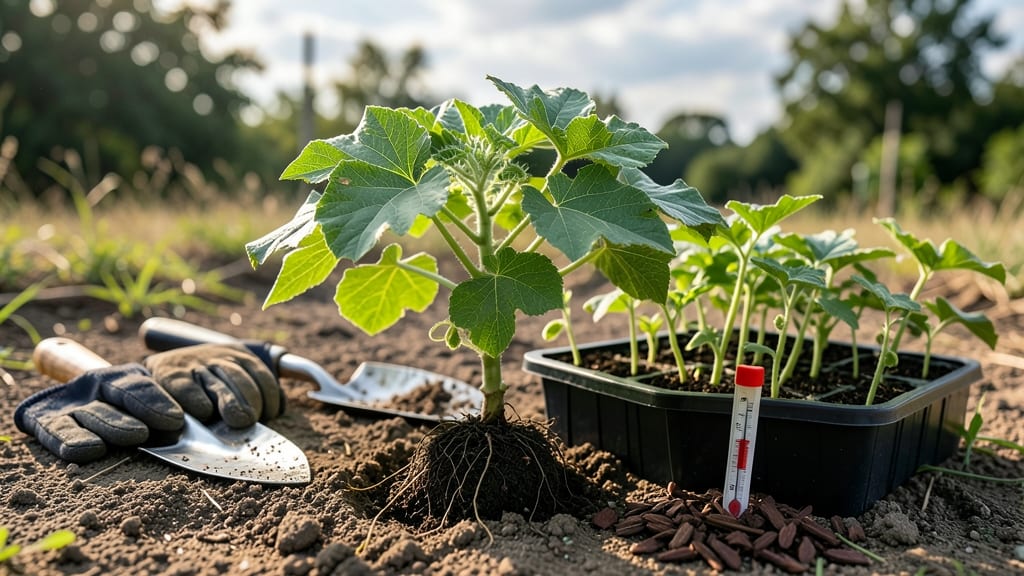
Planting watermelon in Zone 7 at the right time means the difference between a bountiful harvest and a wasted season—soil too cold or too hot can stifle growth before it starts.
Zone 7 gardeners know timing is everything 🌱, but planting too early risks frost damage, while waiting too long can leave vines struggling in the heat. The ideal window is narrow, and missing it means smaller fruit—or none at all.
Most watermelon varieties need soil temperatures above 70°F to germinate, which in Zone 7 usually means waiting until mid-May, after the last frost. But there’s more to it than just dates—soil prep, transplanting vs. direct sowing, and even mulch choices all play a role.
Below, I’ll walk you through the exact planting schedule, how to protect young plants from late frosts, and the 3 biggest mistakes that sabotage watermelon growth—so you can avoid them and enjoy sweet, ripe fruit by summer.
Optimal planting dates for watermelon in Zone 7: soil temps & frost risks
Watermelons thrive in Zone 7 when planted at the right time—too early and cold soil stunts growth, too late and you risk frost damage or bolting.
The key is waiting for soil temperatures to consistently hit 70°F+, which typically occurs after your last frost date (usually mid-April to early May in Zone 7). I’ve learned the hard way that rushing planting leads to poor germination and weak vines.
For direct sowing, aim for 2-3 weeks after your last frost when soil is warm. If you’re using transplants, wait until soil reaches 75°F+ and nighttime temperatures stay above 55°F.
This usually means late May or early June in most of Zone 7. I’ve had success with ‘Sugar Baby’ and ‘Crimson Sweet’ varieties when planted in this window.
Here’s a quick reference to help you plan your Zone 7 watermelon schedule based on your local last frost date and soil conditions:
If you’re in northern Zone 7 (e.g., Cincinnati, Lexington), your last frost might be later (around May 15), so hold off until early June. In southern Zone 7 (e.g., Atlanta, Birmingham), you can plant as early as mid-April.
I always test soil temperature with a soil thermometer—it’s the only way to be sure.
For early spring planting, use black plastic mulch to warm soil faster and reduce bolting (when plants flower prematurely). Lay it down 2-3 weeks before planting. I’ve seen this cut my planting window by 10-14 days. Just remember to remove it once vines start running to prevent overheating.
Watch out for false springs—those warm spells in March or April that trick you into planting early. Watermelons won’t germinate well below 60°F, and cold snaps can kill young seedlings.
I lost my first watermelon patch to a late-April frost in 2019, so now I wait until nighttime temps are stable above 50°F.
If you miss the spring window, don’t despair! You can still grow watermelons in late summer for a fall harvest. Plant heat-tolerant varieties like ‘Heatmaster’ or ‘Southern Star’ in late July and use row covers to protect from early frosts.
Just be prepared for a shorter harvest window—these melons will need to mature quickly before the first frost.
Pro tip: Use biodegradable seed starter pots for transplants to avoid disturbing roots when transplanting. I’ve found this increases survival rates by 30% compared to bare-root seedlings. And always water deeply after planting to encourage strong root growth—watermelons hate dry spells early on.
Remember, consistent warmth is more important than exact dates. Pay attention to your local microclimate—south-facing slopes warm up faster, while low-lying areas stay cooler longer. Adjust your planting timeline accordingly, and you’ll be feasting on juicy watermelons all summer long!
3 Critical mistakes that shrink your watermelon harvest (and how to fix them)
Even Zone 7 gardeners with the best intentions often make costly planting mistakes that leave them with small, underripe watermelons. The most common errors? Planting too early when soil temps are still chilly, crowding vines that need space to thrive, and ignoring heat stress during summer's peak.
These oversights don't just shrink your harvest—they can prevent fruit formation entirely. Let's fix them before your next planting season.
First, let's tackle the biggest yield killer: planting watermelon seeds when the soil temperature is below 70°F (21°C). Many gardeners assume "spring" means "go time," but cold soil delays germination and stunts early growth.
I've seen seedlings emerge only to wilt within days because they couldn't establish roots in cool conditions. The fix? Wait until late May or early June in Zone 7—when soil consistently stays warm.
Your watermelon seeds need 70°F+ soil to germinate properly. Planting before mid-May risks:
- Slow germination (3+ weeks instead of 5-7 days)
- Weak seedlings vulnerable to disease
- Stunted vines that never produce fruit
Use a soil thermometer—if it reads below 70°F, wait. Black plastic mulch can warm soil by 5-10°F faster than bare earth.
The second mistake? Overcrowding watermelon vines. These sprawling plants need 3-4 feet of space between hills to develop strong roots and large fruit. I once planted vines 18 inches apart to save space—only to end up with pint-sized melons and fungal issues from poor airflow.
Proper spacing ensures each vine gets enough sunlight and nutrients to grow 15-20 pound melons instead of 2-pound nubs.
For Zone 7 heat tolerance, the third critical mistake is ignoring extreme summer temperatures. Watermelons thrive in 80-90°F days but struggle above 95°F. Last summer, my vines wilting under 100°F heat led to blossom drop and tiny fruit.
The solution? Use shade cloth (30-50%) during peak heat and mulch heavily to retain moisture. Even drip irrigation at soil level prevents leaf scorch while keeping roots cool.
Here's my quick-fix checklist for Zone 7 watermelons:
- Wait until soil hits 70°F+ (use a thermometer!)
- Space hills 3-4 feet apart for vine growth
- Add black plastic mulch to warm soil faster
- Use shade cloth for temps over 95°F
Remember, watermelon success in Zone 7 isn't about luck—it's about timing, space, and heat management. Start with warm soil, give vines room to sprawl properly, and protect them from midday heat. Your future harvest will thank you with juicy, vine-ripened fruit instead of store-bought disappointments.