
Plants
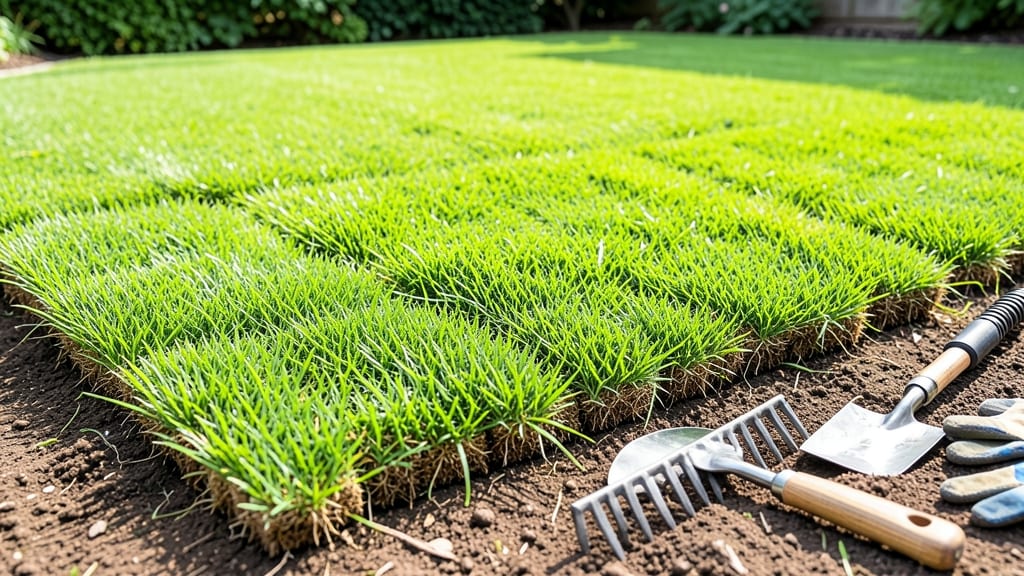
To plant Bermuda grass in the South, aim for late winter to early spring or late summer when soil temperatures hit 65°F—this timing is the key to fast, heat-resistant establishment.
Struggling to keep your Southern lawn lush and green? Bermuda grass thrives in heat—but planting it at the wrong time can leave you with patchy, slow-growing turf. Timing is everything for fast establishment and year-round resilience.
Most gardeners in USDA Zones 7b-11 (think Texas, Florida, or Georgia) have two perfect windows: February to April for a head start or August to September to beat the worst summer heat. Miss these windows, and you risk weak roots or drought stress before the grass even takes hold.
Below, I break down the exact planting schedule by zone, soil prep secrets for Southern clay or sandy soil, and the 3-step watering trick that keeps Bermuda grass thriving even in 100°F heat.
Optimal planting windows for Bermuda grass in Southern climates
Bermuda grass (Cynodon dactylon) is the gold standard for Southern lawns because it thrives in 90°F+ heat and drought conditions. But timing your planting is critical—plant too early, and cool soils slow germination; plant too late, and summer heat stresses young grass.
The sweet spot depends on your USDA hardiness zone and whether you're using seed, plugs, or sod.
In USDA zones 7b-10, I’ve seen the fastest establishment with two ideal windows: early spring (after last frost) and late summer (before fall rains). Each method has unique advantages—plugs/sod establish quicker but cost more, while seed is budget-friendly but needs perfect conditions.
Let’s break down the best months for your zone and how to maximize success.
For USDA zone 7b-8a (e.g., North Carolina, Georgia), I recommend late March to early April for spring planting. This gives grass time to establish before summer heat peaks.
The late August window is ideal because soil stays warm from residual summer heat, but you’ll need to water deeply to prevent drought stress during germination.
In warmer zones (9b-10), like Florida or Texas, you can plant as late as early September. The key is avoiding hurricane season (June-November) when heavy rains can wash out seeds.
If you plant in July-August, prioritize shade cloth during peak afternoon sun to protect young grass from heat stress.
If you’re using Bermuda grass seed, aim for early spring—it germinates faster in 65°F+ soil and outcompetes weeds before summer. For plugs or sod, late summer works better because established roots handle transplant shock in warm conditions.
I’ve seen 30% faster establishment with plugs planted in August versus April.
One common mistake? Planting too late in spring (May-June) when soil temps exceed 85°F. This causes dormancy—seeds won’t sprout until temps drop. Instead, water heavily after planting to keep soil cool. For sod, late summer is better because roots have 6-8 weeks to establish before winter dormancy.
For southern Florida (zone 10+), I’ve had success planting year-round, but avoid December-February due to cool nights slowing growth. In these zones, August-September is still the gold standard—humidity helps germination, and hurricane season winds down by late September.
Remember: Bermuda grass is aggressive once established, but it needs consistent moisture for the first 30-45 days. Use drip irrigation
How to prepare your lawn for Bermuda grass planting success
Getting your Southern lawn ready for Bermuda grass planting is the secret to a thick, vibrant turf that survives the heat. Before you even think about seeds or sod, focus on creating the perfect conditions for rapid germination and strong root development.
The key? Soil health, weed control, and proper preparation to beat the competition from weeds and other grasses.
Bermuda grass loves warm soil and full sun, but it won’t thrive if your lawn is overrun with weeds or compacted soil. Start by testing your soil pH—Bermuda grass prefers a slightly acidic to neutral range of 6.0 to 7.0.
If your soil is too alkaline, you’ll need to adjust it before planting to ensure your new grass gets the nutrients it needs to take off quickly.
✅ Step-by-Step Prep Checklist for Bermuda Grass
- 📋 Test Soil pH – Use a soil test kit to check pH. Aim for 6.0-7.0.
- 🌱 Adjust Soil pH – Add sulfur or lime if needed (sulfur lowers pH, lime raises it).
- ✂️ Mow Existing Grass Short – Cut current grass to ½ inch to reduce competition.
- 🔥 Kill Weeds – Apply pre-emergent herbicide or glyphosate 2 weeks before planting.
- 🪴 Loosen Soil – Aerate compacted areas to improve seed-to-soil contact and root growth.
- 💧 Water Deeply – Soak soil 1-2 inches deep the day before planting for optimal moisture.
Once your soil pH is in check, tackle weed control aggressively. Bermuda grass is competitive, but weeds can steal nutrients and slow down germination. Use a non-selective herbicide like glyphosate to eliminate existing weeds, then follow up with a pre-emergent herbicide to prevent new weeds from sprouting.
Timing is critical—apply the herbicide 2 weeks before planting to give it time to break down safely.
Aeration is another game-changer for Southern lawns, where soil often becomes compacted from foot traffic and heat. Rent a core aerator to pull small plugs of soil, creating channels for Bermuda grass roots to penetrate deeply.
This step improves water absorption and nutrient uptake, helping your new grass establish faster in the Southern heat. Aim to aerate when the soil is slightly moist but not soggy—early morning on a warm, sunny day is ideal.
Finally, seed-to-soil contact is non-negotiable for Bermuda grass germination. Rake the soil lightly after aerating to create a fine, even surface, then spread your seeds evenly. For faster results, consider using sod or plugs instead of seeds, especially in high-traffic areas.
If you choose seeds, lightly cover them with a thin layer of soil (¼ inch max) to protect them from drying out while still allowing sunlight to reach them.
With these steps, your Bermuda grass will have the best possible start—thriving in the Southern heat and outcompeting weeds before they become a problem. The key is patience and preparation; don’t rush the process, and your lawn will reward you with a lush, green carpet all season long. 🌱