
Plants
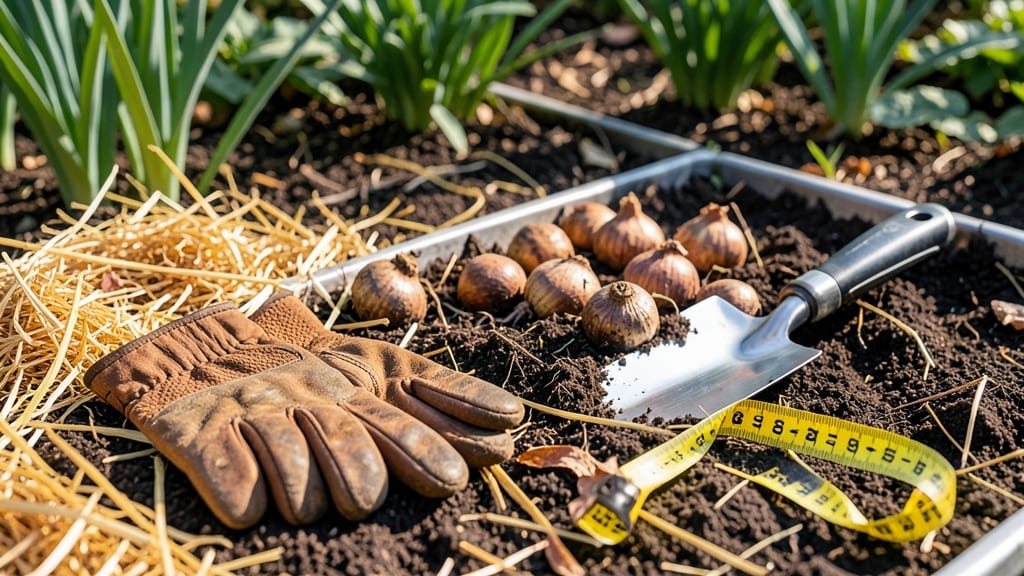
To plant daffodils in New York for vibrant spring blooms, aim for October through November—the sweet spot before the ground freezes 🌼.
New York gardeners know timing is everything—plant daffodils too early, and they’ll rot; too late, and they’ll miss the frost window. Mastering the perfect schedule ensures strong roots and bold blooms next April, whether you’re in upstate Rochester or downstate Long Island.
Why does this matter? Daffodils need 6-8 weeks of cool soil before winter dormancy kicks in. Too soon, and they’ll sprout prematurely; too late, and they won’t establish roots deep enough for spring’s showstopper display.
Inside, I’ll break down the best months by zone, how to prep your soil, and pro tips to adjust for early or late winters—so you can skip the guesswork and get those cheerful yellow trumpets popping up right on schedule.
Optimal planting months for daffodils in New York’s zones 5-7
New York’s USDA Zones 5-7 offer a perfect window for planting daffodils, but timing varies by region. Whether you’re in Manhattan’s urban gardens or the Hudson Valley’s rural landscapes, the goal is to plant bulbs 6-8 weeks before the ground freezes.
This ensures roots establish before winter dormancy. The ideal window spans September through November, but exact dates shift based on microclimates and frost patterns.
For New York City (Zone 7a), the sweet spot is mid-October to early November. In Hudson Valley (Zone 6b), aim for late September to mid-October, while Long Island (Zone 7b) leans toward October to early November.
These ranges account for soil temperature thresholds—daffodils thrive when soil cools to 50-60°F (10-15°C), signaling it’s safe to plant.
Here’s how to align your planting with New York’s regional frost dates and soil conditions:
Planting in September is ideal for upstate New York (Zone 5), where colder soils and earlier frosts demand urgency. By mid-September, soil temperatures typically drop below 60°F (15°C), creating the perfect environment for root growth.
In Zone 6 (Hudson Valley), September planting is still viable but riskier—wait until late September to avoid bulb rot in warmer pockets.
If you miss the September window, October is your safety net. This month offers the widest planting window across all of New York, with soil temperatures consistently in the 50-60°F (10-15°C) range.
For Zone 7 (NYC/Long Island), October is prime time. Use a soil thermometer to confirm temperatures—plant when they hover around 55°F (13°C) for 3 consecutive days.
November planting is high-risk but possible if you’re in Zone 7. Aim for early November and focus on well-draining soils to prevent frost heave. In Zone 6 or colder, November planting is not recommended—bulbs may not establish roots before the ground freezes.
If you’re late, opt for container planting and move pots to a sheltered spot until spring.
Regional variations matter: NYC’s urban heat island can delay frost by 1-2 weeks compared to rural areas. Use local frost date averages as a guide but always monitor your specific microclimate.
For example, Central Park might have a later frost than Brooklyn’s coastal areas. Adjust your planting date accordingly—3-5 days earlier in cooler microclimates.
Pro tip: Plant daffodils after the first frost if you’re on the later side. A light frost won’t harm bulbs and can even signal it’s safe to plant. Just avoid heavy, prolonged freezes—soil should remain workable, not rock-hard.
If the ground is frozen or slushy, wait until temperatures rise above 40°F (4°C) during the day.
For container gardening in New York, the rules shift slightly. Plant potted daffodils in October and place them in a protected location (e.g., against a south-facing wall). Move containers to a garage or basement if temperatures drop below 20°F (-7°C) to prevent bulb damage.
This extends your planting window into early December for containerized bulbs.
Remember: Daffodils planted in fall bloom in spring—the cooler the winter, the longer the bloom time. New York’s Zone 5-7 winters provide the perfect balance for vibrant, long-lasting flowers.
How to adjust planting time for early vs. late winters in New York
New York’s unpredictable winters can throw off even the most seasoned gardener’s planting schedule. One year, frost hits by October 15, while another, it lingers until November 10.
The key to success? Flexibility and preparation. I’ve learned to use soil thermometers and adjust my planting timeline based on real-time conditions, not just the calendar.
For early winters, like those in upstate New York, you might need to plant daffodils as early as late September. But in Long Island or NYC, where winters are milder, you can stretch planting into mid-November.
The goal is always the same: plant when soil temps hit 50°F (10°C) and about 6-8 weeks before the ground freezes.
⚠️ callout warning ⚠️
Even hardy daffodils can rot if planted in cold, wet soil. Use a soil thermometer to confirm temps are above 50°F (10°C) at 6-inch depth. If frost is forecasted within 2 weeks, delay planting until conditions improve.
🌱 Pro Tip: Cover bulbs with straw mulch if an early frost threatens after planting.
Choosing the right daffodil varieties can also extend your planting window. Early bloomers, like ‘Tête-à-Tête,’ thrive in cooler soils and can handle late fall planting. Meanwhile, late varieties, such as ‘Thalia,’ need warmer soil and should go in earlier.
I always keep a mix of both to ensure continuous blooms from April through May.
Another common mistake? Planting too shallowly in sandy soils or too deeply in clay-heavy areas. Daffodils need 6-8 inches of soil coverage—any less, and they’ll heave out of the ground during freeze-thaw cycles.
In rocky regions, like parts of the Adirondacks, I use a bulb planter to create deeper pockets for roots.
If you’re unsure about your local frost dates, check the National Weather Service or use a frost calendar for your specific USDA Zone (5-7). I’ve found that Albany and Buffalo often have earlier frosts than New York City, so I adjust my schedule accordingly.
For extra peace of mind, I mark my calendar with planting deadlines based on historical data.
Finally, don’t stress if you miss the ideal window. Daffodils can survive light frosts after planting, and their bulbs store energy well. Just mulch heavily with straw or leaves to insulate them until spring.
With these adjustments, you’ll have vibrant daffodils year after year, no matter how unpredictable New York’s winter gets. 🌼