
Plants
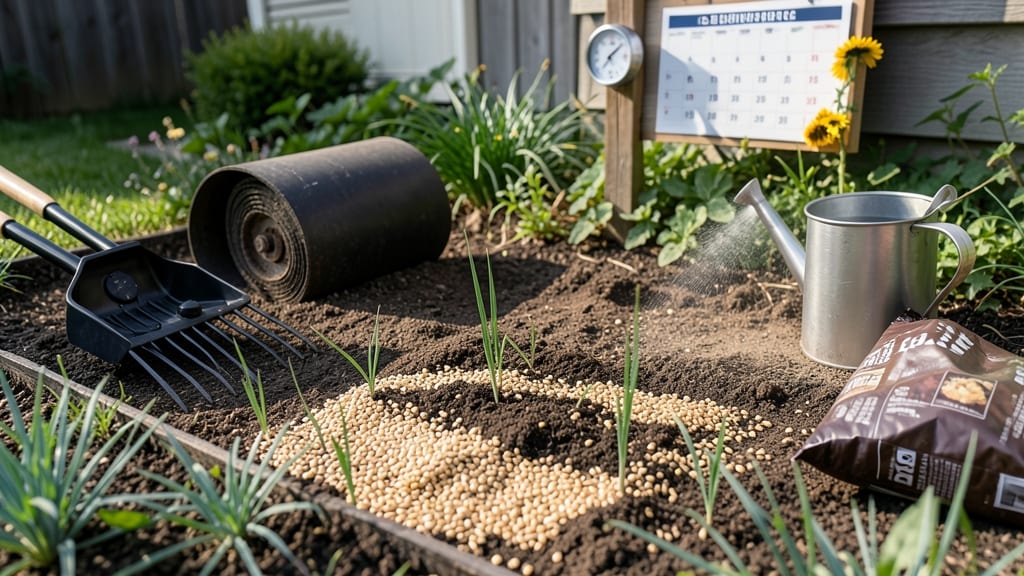
Planting grass seed in the fall is the best way to get a thick, weed-resistant lawn 🌱 — just time it right, or you’ll end up with patchy results or wasted seeds.
Fall is the secret weapon for lush, weed-resistant lawns, but the window is narrow. Plant too early, and weeds take over; too late, and frost stunts the roots. In USDA Zone 6a, that means 4-6 weeks before your first frost—typically late September to mid-October.
Why does timing matter so much? Cooler air and soil temperatures reduce weed competition while giving grass roots 6-8 weeks to establish before winter. Skip this step, and you’ll spend next spring fixing what you could’ve prevented now.
Below, I’ll break down the exact deadlines by climate zone, how to prep your soil, and the 3 grass varieties that thrive when planted in fall—so you can finally get that perfect lawn.
Fall grass seed planting deadlines by USDA climate zones
Timing is everything when it comes to fall grass seed planting. The 4-6 week window before your first frost lets seeds establish deep roots before winter dormancy. But this window shifts dramatically across USDA climate zones—plant too early in warm zones, and weeds will outcompete your grass.
Too late, and frost will kill tender seedlings.
Coastal areas often have milder microclimates than inland regions just a few miles away. For example, San Francisco (Zone 9) might still see 60°F soil temps in November, while Sacramento (Zone 8) could already be frost-prone.
Always check your local frost date averages from the National Weather Service or Almanac for precise adjustments.
Here’s your zone-by-zone planting deadline guide, including regional tweaks for coastal vs. inland areas to help you plant at the perfect moment for maximum root growth before winter.
| USDA Zone | Ideal Planting Window | Soil Temp Threshold | Coastal Adjustment | Inland Adjustment |
|---|---|---|---|---|
| Zones 3-4 | Mid-August to early September | 55-65°F (13-18°C) | Extend to late Sept (milder coastal winters) | Plant by Aug 20 (earlier frost risk) |
| Zones 5-6 | Late August to mid-September | 60-70°F (16-21°C) | Push to Oct 5 (coastal zones 5-6) | Finish by Sept 15 (inland) |
| Zones 7-8 | September to early October | 65-75°F (18-24°C) | Plant through Oct 15 (coastal) | Complete by Sept 25 (inland) |
| Zones 9-10 | October to November | 70-80°F (21-27°C) | Plant through Nov 15 (coastal) | Finish by Oct 10 (inland) |
In USDA Zones 3-4, where winters are harsh, aim to finish planting by early September. The soil temperature should stay above 55°F for at least 4-6 weeks post-planting.
Use a soil thermometer to verify—cool soils delay germination. In coastal areas like Seattle (Zone 8), you can push planting to mid-October thanks to milder winters.
For Zones 5-6, the sweet spot is late August to mid-September. If you’re in Chicago (Zone 5), inland areas may need to plant by September 15, while Milwaukee’s lakeshore (Zone 5b) could wait until October 1.
Always check local frost dates—a 32°F night can kill young seedlings.
Zones 7-8 offer the most flexibility, with a September-to-October window. In Atlanta (Zone 7b), plant by September 25 inland, but Savannah’s coastal climate (Zone 8a) lets you plant through October 15. Warm-season grasses like Bermuda should never be planted in fall—they’ll rot in cool soil.
In Zones 9-10, fall planting extends into November. Los Angeles (Zone 10) can plant through November 15, but Phoenix (Zone 9b) should finish by October 10 to avoid early winter rains that compact soil. Always choose drought-tolerant varieties like Tall Fescue or Buffalo Grass for these zones.
Pro tip: Test your soil’s pH before planting—ideal levels are 6.0-7.0 for most grasses. Add lime if your soil is too acidic (below 6.0) or sulfur if it’s too alkaline (above 7.5). Weed control
How to adjust planting timing for late fall freezes or early winters
When unpredictable weather threatens your fall grass seed planting, don't panic—smart adjustments can still save your lawn. In USDA zones 4-7, late freezes or early snow can derail your plans, but understanding soil temperature thresholds and frost dates gives you a fighting chance.
The key is flexibility: knowing when to plant, when to wait, and which cold-hardy seed varieties can handle winter's first punch.
Your first defense is monitoring soil temperatures, not just air temps. Grass seeds need soil to stay above 50°F (10°C) for at least 4-6 weeks after planting to establish roots. If your area faces early freezes, shift your planting window 4-8 weeks earlier than usual.
For example, in Zone 5, aim for early September instead of late October. Use a soil thermometer ($10 at garden centers) to check daily—this small tool prevents costly mistakes.
⚠️ ⚠️ WARNING: Late Fall Freeze Risks ⚠️ ⚠️ Planting too late can lead to winter kill—when young grass roots freeze before establishing.
Here’s your 3-step freeze-proof checklist:
- Check frost dates: Use the National Weather Service or Old Farmer’s Almanac for your last average frost date. Plant 4-6 weeks before this date.
- Test soil temps: Ideal range is 55-65°F (13-18°C).
Below 50°F (10°C)? Wait or use winter ryegrass, which tolerates cooler soils. 3. Adjust seed choice: Tall fescue and fine fescue handle cold better than Kentucky bluegrass. Mix in 10% perennial ryegrass for faster germination in chilly conditions.
If you’ve already planted and unexpected frost arrives, don’t dig up your seeds—cover them immediately with straw or a breathable frost blanket. This creates a 5-10°F (3-5°C) warmer microclimate beneath the surface, protecting tender roots.
Remove the cover once daytime temps rise above 40°F (4°C) to prevent overheating. For extreme cold snaps (below 20°F (-7°C)), consider a lightweight row cover until spring.
Another trick for high-risk zones (4-6) is to plant in two stages: sow half your seed at the ideal time, then add the rest 2-3 weeks later if early frost threatens. This staggered approach ensures some seeds germinate before winter sets in.
It’s less ideal than a single planting but far better than losing your entire investment. Pair this with a light mulch (¼ inch straw) to insulate seeds and retain moisture.
Don’t forget to adjust your watering schedule as temps drop. Grass seeds need consistent moisture but can’t handle soggy soil. Water deeply 2-3 times per week (early morning) until seeds sprout, then taper to once weekly once roots establish.
Use a rain gauge to track precipitation—overwatering in cold soil suffocates roots. If frost is forecast within 48 hours of planting, skip watering entirely to avoid freezing the seedbed.
With these adjustments, you can outsmart early winters and still grow a thick, resilient lawn. The secret? Staying flexible, monitoring conditions, and choosing the right tools for your climate.
Next spring, you’ll reap the rewards of your fall foresight—lush grass that outcompetes weeds and survives whatever winter throws at it. 🌱