
Plants
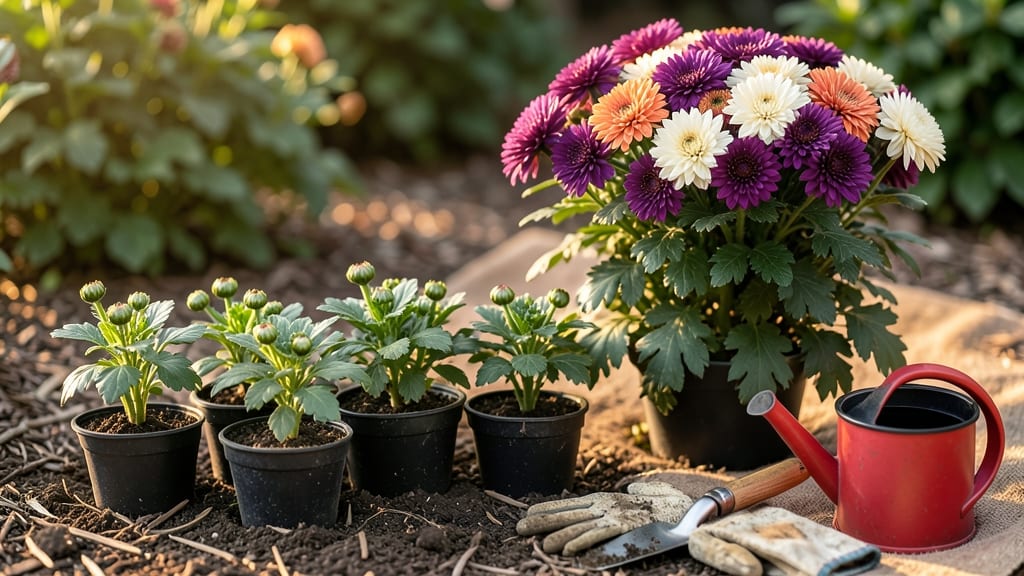
Planting mums in Texas at the right time means the difference between vibrant summer blooms and sad, heat-stricken plants 🌱. Texas gardeners know the struggle—plant them too early, and they’ll wilt in the summer heat; too late, and winter freezes might cut their season short.
Timing is everything for chrysanthemums to thrive in Texas’ brutal climate, where 100-degree days and sudden freezes can turn a beautiful garden into a sad memory. The key?
Planting in early fall (September-October) for most of the state gives them time to root before winter, while coastal areas can push it to November.
But what if you missed that window? Spring planting is possible, but you’ll need to harden off young plants and keep them shaded until temperatures stabilize. The wrong variety or timing can leave you with mums that bolt in the heat or fail to bloom at all.
In this guide, I’ll break down the exact months to plant by Texas region, the heat-tolerant varieties that actually work here, and the simple tricks to keep your mums blooming all summer long—no guesswork, just results.
Texas heat-zone planting calendar for mums: best months by region
Texas gardeners know the mums (chrysanthemums) thrive best when planted at the right time—too early and they’ll burn in summer heat, too late and winter freezes cut their season short.
The key is understanding your USDA zone and local frost dates. North Texas (Zones 7-8) has earlier freezes, while South Texas (Zones 9-10) stays warmer year-round.
For fall planting, which is ideal for most Texas regions, aim for 8-12 weeks before first frost. This gives mums time to establish roots before winter.
In spring planting, focus on early spring to avoid summer heat stress. Let’s break down the best months by region to maximize your mum’s bloom duration.
🌱 Pro Tip: Always check your local frost dates—they vary by 1-2 weeks even within the same zone. Use the Texas A&M AgriLife Extension frost map for precise timing.
In North Texas (Zones 7-8), start mum planting by mid-September to ensure roots establish before the first frost, typically around mid-November. Choose early-blooming varieties like 'Bright Lights' or 'Dazzler' for longer fall color. Spring planting should wrap up by mid-March to avoid summer heat stress.
For Central Texas (Zones 8a-8b), the window opens later—early October for fall planting—to take advantage of milder temperatures. Spring planting can extend to early April, but avoid planting after April 15 when daytime highs exceed 90°F. Opt for heat-tolerant varieties like 'Pacifica' for better survival.
South Texas (Zones 9-10) gardeners have the most flexibility. Plant fall mums from mid-October to November, and spring planting can continue until late April. In Zone 10, you can even plant year-round with shade protection during peak summer months. Varieties like 'Mum's the Word' thrive in these conditions.
Regardless of region, always harden off nursery-bought mums for 7-10 days before planting. Acclimate them to Texas heat by gradually exposing them to direct sunlight and wind conditions. This reduces transplant shock and improves survival rates.
After planting, mulch heavily (2-3 inches) to retain moisture and regulate soil temperature. In North and Central Texas, apply a light frost blanket in late fall if temperatures dip below 25°F.
For South Texas, focus on shade cloth during summer to protect mums from intense afternoon sun.
Timing your mum planting by region ensures vibrant blooms from late summer to first frost. With these heat-zone guidelines, your Texas garden will burst with color—no wilting in sight! 🌻
How to extend mum blooms in Texas: pre-planting tips for heat and humidity
Texas summers are brutal for mums—90°F+ temperatures and 90% humidity can turn vibrant blooms into wilted messes within weeks. But with the right prep, you can extend mum blooms by 4-6 weeks in our state’s harsh climate.
The key? Starting strong with heat-hardened plants, well-amended soil, and smart watering strategies that mimic Texas’ natural rainfall patterns.
I’ve grown mums in San Antonio, Dallas, and Houston, and the difference between a 3-week display and a 10-week show comes down to pre-planting prep.
Most gardeners focus only on planting time, but the real secret weapon is preparing your mums—and your garden—for Texas’ triple threats: heat stress, fungal pressure from humidity, and erratic rainfall. Let’s tackle this step by step.
⚠️ callout warning
Planting mums in Texas before mid-August risks heat shock—even heat-tolerant varieties can suffer from leaf scorch and stunted growth if soil temps exceed 90°F. Wait until late August to early September for fall planting or late February to early March for spring planting to align with Texas’ optimal soil temperatures (65-75°F).
Pro Tip: Test soil temps with a soil thermometer—if it’s above 85°F, delay planting by 2-3 weeks.
First, choose heat-resistant mum varieties bred for Texas conditions. Look for labels like ‘Pacifica’ series or ‘Dazzler’, which boast 90-day bloom guarantees even in Zone 8b-9a. These varieties handle 100°F+ temps better than traditional mums because they’ve been selectively bred for heat tolerance.
Skip disbudded mums (single-stem varieties)—they’re less resilient in high heat and often bloom 2-3 weeks shorter.
Next, harden off your mums for 10-14 days before planting. If you’re buying greenhouse-grown mums, gradually expose them to Texas sunlight by moving them to partial shade for 2 hours/day, then 4 hours, and finally full sun.
This acclimation process prevents sunburn and leaf drop when you transplant them. I once planted unhardened mums in Houston’s August sun—they lost 60% of their leaves within 48 hours.
Soil prep is non-negotiable in Texas. Our clay-heavy soils bake hard and drain poorly, while sandy soils dry out too quickly. Amend your beds with 2-3 inches of compost and 1 inch of perlite to improve drainage and moisture retention.
Add a slow-release fertilizer (like 10-10-10) at planting time to give your mums a nutrient boost without overwhelming them. Never use fresh manure—it can burn roots in our heat.
Finally, mulch aggressively with 3-4 inches of shredded bark or pine straw to lock in moisture and regulate soil temps. In North Texas, mulch keeps roots 10°F cooler than bare soil. Water deeply 2-3 times per week (not daily!) to encourage deep root growth.
I use drip irrigation on mine to avoid fungal diseases from overhead watering. With these steps, my ‘Mum’s the Word’ variety blooms from October to December—2 months longer than my neighbors’!